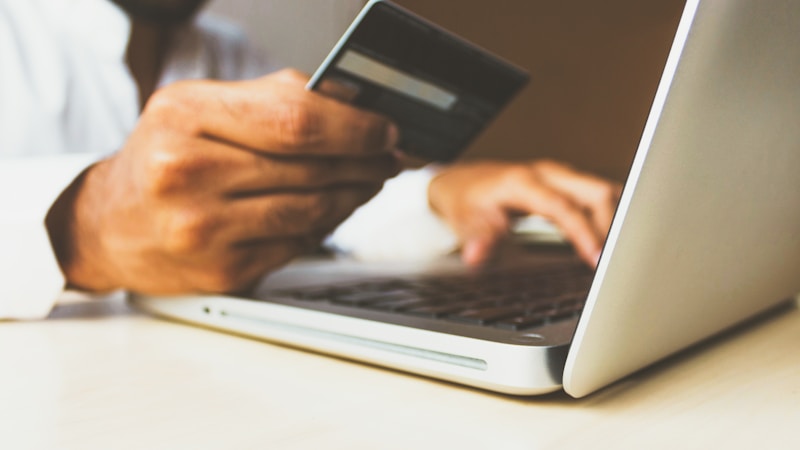
A side-by-side comparison of carrying cash versus using cards while traveling overseas. Mastering your vacation funds doesn't require a finance degree. We have expanded our top point guides with detailed context to help you navigate spending overseas efficiently without losing money to corporate margins.
1. Card for Large Expenses
Use cards for hotels, restaurants, and shopping for security and points. Paying for accommodation with a credit card provides consumer protection that cash simply cannot match. If a travel provider goes bankrupt or gets double-booked, processing a chargeback on your card is straightforward. Plus, travel rewards points can subsidize your subsequent flights.
2. Cash for Micro-Transactions
Small street food vendors or local markets often only take cash. While digital inclusion is high, traditional vendors at local markets, taxis in certain cities, and street setups operate solely on local bills. Carrying equivalent to $50 divided into small local denomination avoids issues where vendors 'cannot make change' for larger bills.
3. Safety Factor
Stolen cards can be frozen instantly; stolen cash is simply gone forever with no recovery. In case of theft or pickpocketing, cash is virtually untraceable. If your wallet gets lifted, opening your bank app and locking the card immediately mitigates the damage to zero. Storing your cards in Google or Apple Pay further reduces the visibility of physical cards.
4. Exchange Rate Advantage
Cards usually offer better rates than physical bureaus. When you swipe a card, the conversion is backed by massive payment networks like Visa or Mastercard, which use wholesale market rates. Physical bureaus must cover overheads, security, and physical note transport, which translates into wider, costlier spread charges for the traveler.
5. The Blend Method
80% digital card spend, 20% local cash is the travel sweet spot. Using cards for anything over $10 covers your safety and expense logs, while a small pouch of cash handles tipping, transit systems, or street food. This prevents ending up with a wallet full of irrelevant coins at departure day.
Takeaway
💡 Knowledge is your anchor against expensive currency buffers. Always check your dashboard conversion triggers using our FX Currency Converter Calculator setup daily before entering foreign bureaus or swiping on international checkouts to save your margins!